
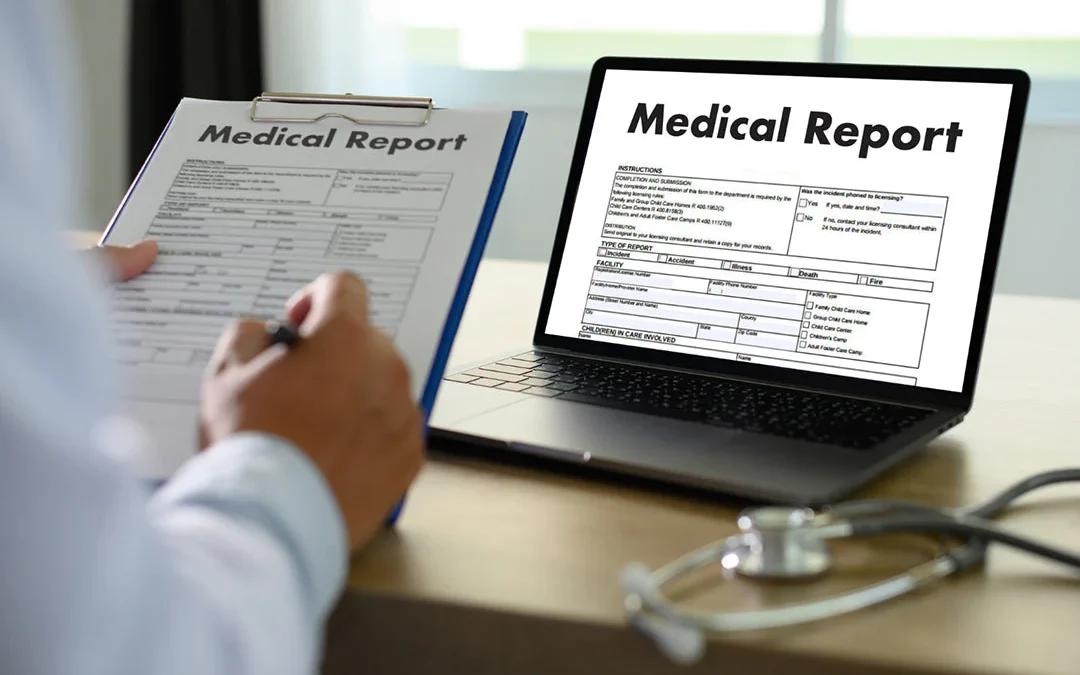

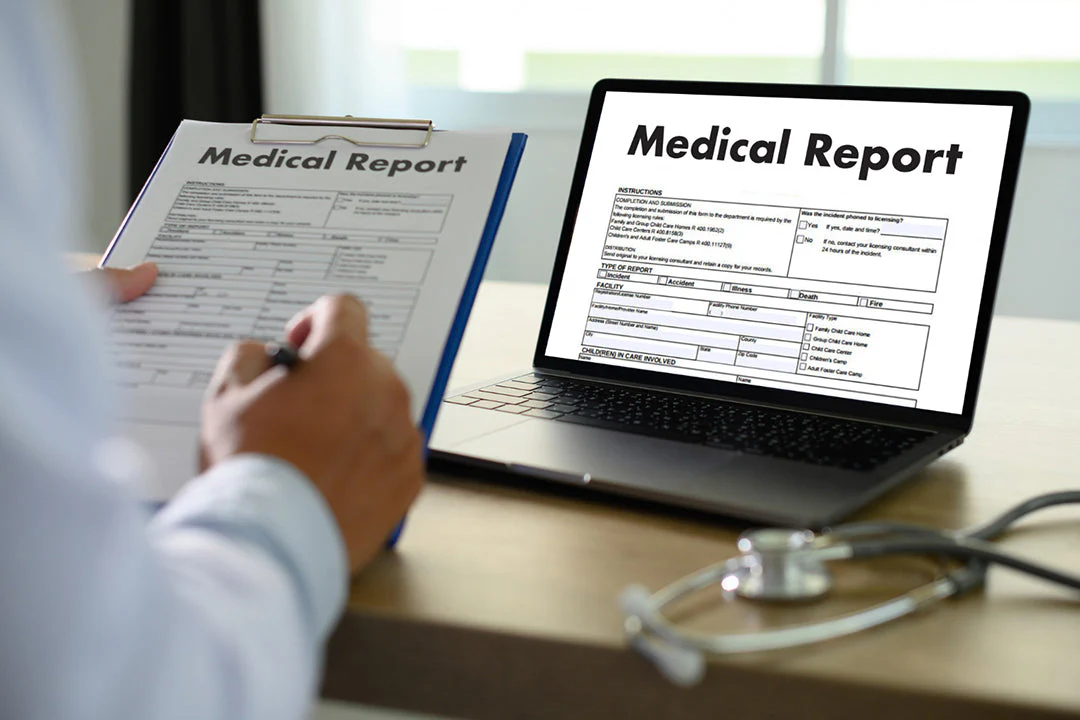
Healthcare organizations manage some of the most sensitive and complex documents of any industry. Patient charts, test results, consent forms, billing records, and compliance documentation must be stored securely while remaining quickly accessible. Document scanning and digitization has become a critical foundation for modern healthcare operations, helping providers transition from paper-heavy workflows to secure, efficient digital systems.
For hospitals, clinics, private practices, and specialty providers, working with experienced medical records scanning companies is no longer optional—it is essential for compliance, efficiency, and long-term data protection.
The Role of Document Scanning and Digitization in Healthcare
Document scanning and digitization is the process of converting physical medical records into structured digital files that can be securely stored, searched, and managed electronically. In healthcare environments, this process must be handled with extreme care, accuracy, and confidentiality.
A professional digitization process typically includes:
• High-resolution scanning to preserve medical detail and legibility
• Optical Character Recognition (OCR) for fast, keyword-based search
• Secure indexing aligned with patient or case records
• Controlled access based on user roles
• Integration with electronic health record (EHR) systems
This approach transforms static paper files into accessible digital assets that support daily clinical and administrative workflows.
Why Healthcare Providers Are Moving Away from Paper Records
Paper-based medical records create operational bottlenecks and increase the risk of errors. Retrieving physical charts takes time, limits collaboration, and complicates compliance with healthcare regulations. Document scanning and digitization solves these challenges by centralizing information in a secure digital environment.
Healthcare organizations benefit from digitization through:
• Faster access to patient information
• Improved coordination between departments and providers
• Reduced physical storage requirements
• Lower risk of lost or damaged records
• Stronger compliance with healthcare data regulations
Digital records support better patient care by ensuring that accurate information is always available when it is needed most.
The Importance of Specialized Medical Records Scanning Companies
Not all scanning providers are equipped to handle medical documentation. Medical records scanning companies specialize in healthcare-specific requirements, including strict privacy standards and complex record structures.
Specialized providers understand:
• Confidential handling of protected health information
• Secure chain-of-custody procedures
• Accurate indexing of patient files
• Large-scale document conversion projects
• Compliance-driven workflows
Choosing an experienced medical scanning partner reduces risk and ensures that digitized records meet both operational and regulatory standards.
Security and Compliance as Top Priorities
Healthcare data is among the most sensitive information an organization can manage. Document scanning and digitization must prioritize security at every stage of the process, from initial document pickup to final digital storage.
Secure scanning processes include:
• Restricted access during document handling
• Monitored scanning environments
• Encrypted digital file delivery
• Secure storage and backup options
• Detailed audit trails for accountability
By working with qualified medical records scanning companies, healthcare providers can significantly reduce the risk of data breaches and compliance violations.
Improving Efficiency and Patient Care Through Digitization
When medical records are digitized, healthcare teams spend less time searching for information and more time focusing on patient care. Digital files can be accessed simultaneously by authorized staff, supporting faster decision-making and improved collaboration.
Document scanning and digitization improves efficiency by:
• Eliminating manual chart retrieval
• Supporting remote and multi-location access
• Reducing duplicate documentation
• Streamlining billing and administrative processes
These improvements lead to smoother operations and better patient experiences.
Long-Term Value of Digitized Medical Records
Digitization is not just about short-term convenience. Over time, digital medical records enable healthcare organizations to adopt new technologies and improve data-driven decision-making.
Long-term advantages include:
• Easier data analysis and reporting
• Faster audits and inspections
• Improved disaster recovery and business continuity
• Scalability as record volumes grow
Well-managed digital records become a strategic asset rather than an administrative burden.
What to Look for in Medical Records Scanning Companies
Selecting the right partner is a critical decision. Healthcare providers should look for scanning companies with proven experience, robust security practices, and healthcare-specific knowledge.
Key evaluation criteria include:
• Experience with medical document scanning projects
• Strong data security and confidentiality protocols
• OCR and indexing capabilities
• Scalable solutions for growing organizations
• Local service availability and responsive support
A trusted provider ensures that digitization is completed accurately, securely, and with minimal disruption.
Moving Forward with Document Scanning and Digitization
Healthcare organizations in the Austin area seeking reliable document scanning and digitization solutions can work with Record Nations to connect with experienced medical records scanning companies. These services help healthcare providers securely convert paper records into accessible digital formats while meeting strict compliance and privacy requirements.
By investing in document scanning and digitization today, healthcare organizations create a stronger foundation for efficient operations, secure data management, and higher-quality patient care in an increasingly digital healthcare environment.
