
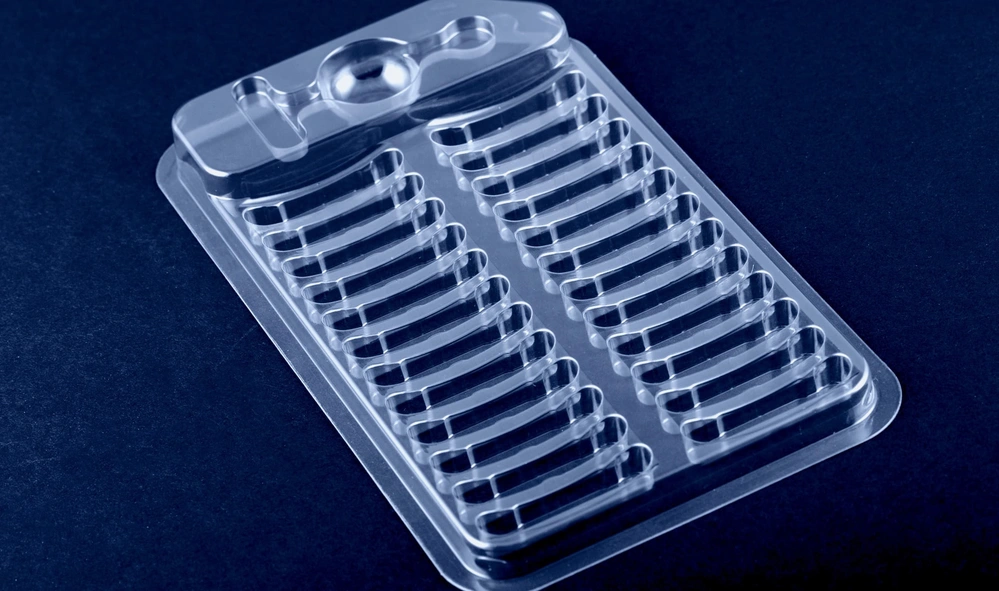

Effective packaging is essential for protecting products during storage, handling, and transportation. Thermoformed trays are widely used across multiple industries because they combine durability, precision, and design flexibility. By offering tailored protection and efficient organisation, these trays help businesses maintain product integrity while optimising packaging processes.
What Are Thermoformed Trays?
Thermoformed trays are produced by heating plastic sheets until they become pliable and forming them over moulds to create precise shapes. Once cooled, the trays retain their structure and are trimmed to exact specifications. This process allows manufacturers to create trays that securely hold items in place.
High-quality Thermoformed Trays manufactured by Alma Products are designed to meet specific packaging requirements. Precision moulding ensures consistent dimensions, making these trays suitable for repeat use and large-scale production.
Protection and Product Security
One of the primary functions of thermoformed trays is to protect products from damage. Custom-shaped compartments prevent movement during transit, reducing the risk of scratches, impacts, or deformation. This level of protection is especially important for delicate, high-value, or precision components.
By keeping products separated and stable, trays help maintain quality from production through to delivery. Secure packaging also reduces returns and waste, supporting cost efficiency and customer satisfaction.
Organisation and Handling Efficiency
Thermoformed trays improve organisation by providing clearly defined spaces for individual items. This structured layout simplifies handling, inspection, and assembly processes. In manufacturing and logistics environments, organised packaging reduces handling time and minimises errors.
Stackable designs further enhance efficiency by maximising storage space and improving transport logistics. Well-designed Thermoformed Trays contribute to streamlined workflows and improved operational productivity.
Material Choices and Durability
Thermoformed trays are produced using durable plastic materials selected for strength, impact resistance, and longevity. Material choice depends on the application, whether for lightweight packaging or heavy-duty industrial use.
Durable construction ensures trays maintain their shape under load and resist cracking or warping. This reliability makes them suitable for both single-use and reusable packaging systems, depending on business needs.
Design Flexibility and Customisation
One of the key advantages of thermoforming is design flexibility. Trays can be customised in size, depth, and layout to suit specific products. Additional features such as textured surfaces, smooth finishes, or anti-slip designs can be incorporated to enhance functionality.
Customisation allows businesses to align packaging with branding, handling requirements, and regulatory standards. The adaptability of Thermoformed Trays makes them suitable for diverse industries, including medical, electronics, food, and industrial manufacturing.
Sustainable and Cost-Effective Packaging
Thermoformed trays support efficient material usage, reducing excess waste during production. Many trays are also recyclable, contributing to more sustainable packaging practices. Their lightweight nature lowers transport costs while maintaining protective performance.
Lower tooling costs compared to alternative packaging methods make thermoforming a cost-effective solution for both short and long production runs.
Conclusion
Thermoformed trays offer a reliable and versatile packaging solution that enhances protection, organisation, and efficiency. Through durable materials, precise design, and customisation options, they meet the demands of modern storage and transportation. As businesses seek secure and adaptable packaging solutions, thermoformed trays continue to deliver value across a wide range of applications.
