
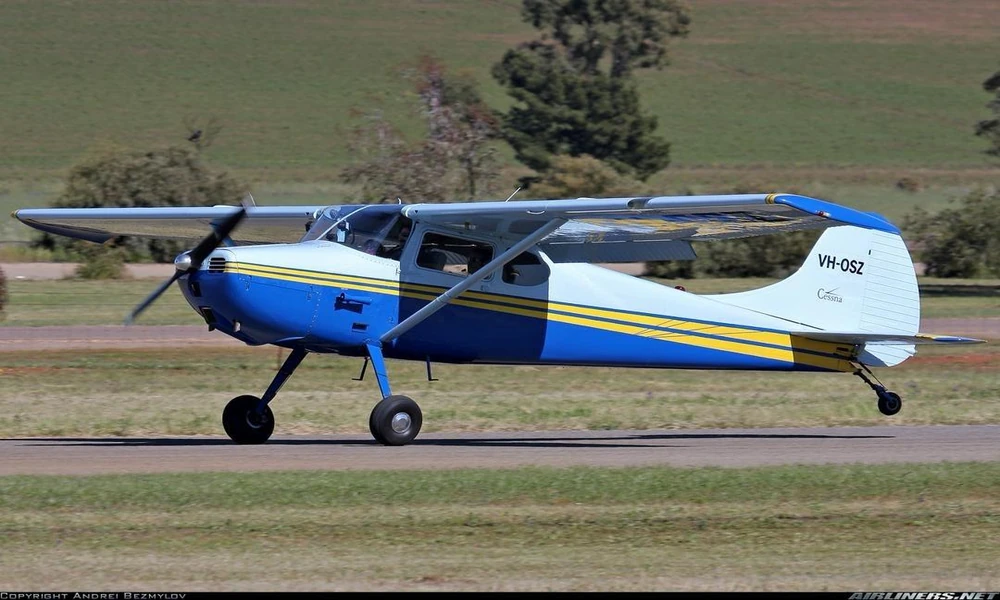

Anyone who has been tasked with sourcing airplane parts knows it’s rarely a simple transaction. You’re not just buying a component – you’re buying a piece of history, paperwork, and trust all bundled together. Get it right, and the aircraft is back in service on schedule. Get it wrong, and you’re looking at grounded flights, failed inspections, or worse. So before you commit to a purchase, it helps to actually understand what separates a good airplane parts buy from a risky one.
This guide walks through what to look for, what to avoid, and why the process of buying airplane parts has gotten a lot more manageable now that global online marketplaces have entered the picture.
Understanding What Goes Into an Airplane Parts Purchase
Buying a part for an aircraft isn’t like buying a part for a car. Every component has a paper trail that has to hold up to scrutiny – where it came from, who manufactured it, how it was inspected, and whether it’s approved for the specific aircraft type you’re maintaining. Skip any part of that chain and you’ve got a part that might fit physically but isn’t legally or safely installable.
That’s the core challenge buyers face: finding a source where the part and the paperwork actually match up, every single time. It sounds simple, but in an industry with thousands of aircraft models, an enormous range of part numbers, and vendors scattered across the globe, matching the two consistently is harder than it looks.
Avionics vs Landing Gear vs Engine Components: Different Parts, Different Risks
Not every airplane part carries equal risk, and understanding that distinction changes how carefully you should vet a purchase.
Avionics parts – think navigation systems, radios, flight displays – tend to be sensitive to even small deviations from spec. A slightly off avionics component might pass a basic check but fail under real flight conditions, which is why documentation and calibration history matter so much here.
Landing gear components sit in a different risk category entirely. These parts absorb repeated mechanical stress on every takeoff and landing, so wear history and structural integrity checks are non-negotiable. A landing gear part with an unclear maintenance history is a liability, full stop.
Engine parts round out the highest-risk tier. Whether it’s a full engine or a smaller internal component, this is where manufacturers and regulators apply the most rigorous oversight – and where buyers should apply the same level of scrutiny before purchasing.
Knowing which category a part falls into helps you calibrate how much diligence to put into the buying process, rather than treating every purchase the same way.
The Hidden Cost of Cutting Corners on Airplane Parts
It’s tempting, especially under time pressure, to grab the first available airplane part that fits the description. But the hidden costs of doing that tend to show up later – a failed inspection, a part that doesn’t hold up under use, or a compliance issue that surfaces during an audit.
The real cost of a bad Aviation spare parts purchase isn’t just the price of the part itself. It’s the downtime while you source a replacement, the labor to remove and reinstall, and in the worst cases, the safety risk of a part that shouldn’t have been installed in the first place. Buying from a source that’s rigorous about certification and quality control upfront almost always ends up cheaper than the alternative.
How International Vendor Networks Solve the Availability Problem
One of the most persistent problems in aviation maintenance is simply finding the part at all. Older aircraft, regional models, and discontinued lines often have parts scattered thin across a handful of suppliers worldwide. Relying on one regional vendor means you’re at the mercy of whatever they happen to have in stock.
This is where a broader, international vendor network changes the equation. Instead of being boxed into a single supplier’s inventory, buyers can draw from a wide pool of approved sources across different countries, comparing availability and pricing rather than settling for whatever’s closest. A marketplace like aeropartsmarket.com is built around exactly this problem – connecting buyers to a global network of vetted vendors so that “we don’t have it” stops being the default answer.
Certification and Traceability: The Non-Negotiables
No matter how good the price or how fast the shipping, none of it matters if the certification isn’t solid. Before finalizing any airplane parts purchase, buyers should confirm a few things: that the part comes with proper airworthiness documentation, that it’s traceable back to an approved manufacturing or repair source, and that any prior repairs or modifications were done within approved limits.
If a seller is vague about any of this, that’s a signal to walk away, not push forward. Reputable sources make this information easy to access because they have nothing to hide about where the part came from.
Quality Checks Before Shipping vs After Arrival
There’s a meaningful difference between a supplier who quality-checks a part before it ships and one who leaves inspection entirely up to the buyer after arrival. The former catches problems early, saves you the hassle of returns, and reflects a supplier that takes its inventory seriously. The latter puts all the risk – and the labor of catching issues – on you.
When evaluating where to buy airplane parts, it’s worth asking directly what kind of inspection process happens before a part ships. A supplier that quality-checks components proactively is signaling that it stands behind what it sells, rather than treating the sale as the end of its responsibility.
Delivery Timelines and Why They Matter More Than You Think
In most industries, a delayed shipment is an inconvenience. In aviation, it can mean an aircraft sitting idle, racking up costs, while everyone waits on a single part. That’s why delivery speed and reliability deserve just as much weight in your decision as price or certification.
A supplier with genuine global reach and dependable logistics can often get a part to you faster than a local vendor who has to order it in from somewhere else anyway. Prompt, reliable delivery isn’t a bonus feature – for time-sensitive maintenance work, it’s often the deciding factor in which supplier gets the order.
Questions to Ask Before You Buy Airplane Parts Online
Before finalizing a purchase, it’s worth running through a short checklist: Does the part come with full certification and traceability documentation? Has it been quality-checked before shipping, rather than left for you to inspect cold? Does the supplier draw from a wide enough vendor network that you’re not settling for a compromise part? And can they commit to a delivery timeline that actually works for your schedule?
If a supplier can answer all four confidently, that’s a strong sign you’re dealing with a source worth trusting for future purchases too, not just a one-time transaction.
Wrapping Up
Buying airplane parts will always require more diligence than most other purchases – and that’s exactly how it should be, given what’s riding on the outcome. But diligence doesn’t have to mean difficulty. With the right approach – knowing what documentation to demand, understanding which parts carry the highest risk, and choosing a supplier with a genuinely global, quality-checked inventory – sourcing avionics, landing gear, engine components, and everything in between becomes a far more predictable process than it used to be.
A Buyer's Guide to Finding Quality Airplane Parts Without the Guesswork
