
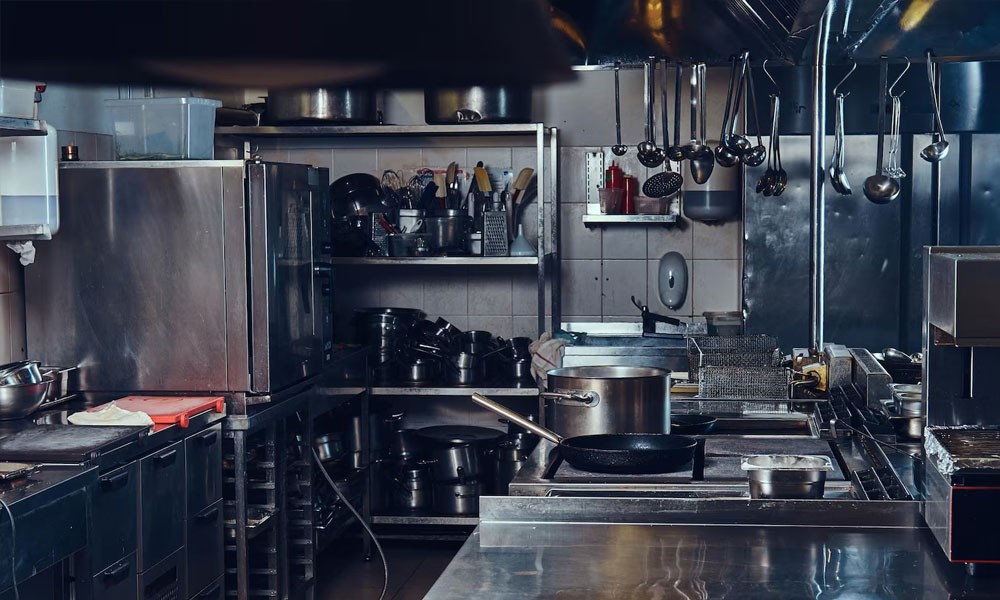

Daily preparation tasks continue to change as service expectations rise. Many business owners now focus on improving output without increasing unnecessary effort. Reliable tools help maintain steady production during busy operating hours. Better workflow often depends on suitable systems that support consistent results. The f&b kitchen equipment remains an important part of organized preparation spaces today. The following points show how modern solutions support daily operational requirements.
Better Output Through Organized Work Areas
Well-arranged work zones help reduce delays during preparation periods. Proper layouts also support smoother movement across different activity sections.
- Structured layouts reduce unnecessary movement during daily preparation tasks.
- Suitable workstations support faster handling across multiple preparation stages.
- Reliable surfaces help maintain orderly task completion throughout operations.
- Practical arrangements improve coordination among staff during busy periods.
Careful organization often supports steadier results throughout working hours.
Reliable Systems Supporting Daily Production
Consistent output depends on dependable tools that perform each day effectively. Equipment quality affects the accuracy of timing across many preparation activities. Stable performance reduces interruptions that may affect workflow. Regular operation helps maintain expected service standards without unnecessary delays.
Factors Influencing Operational Productivity
Many businesses review their processes to identify areas needing improvement. Proper tools often help reduce manual effort while maintaining reliability. Better resource management supports smoother daily activities across preparation areas. Practical solutions contribute to balanced operations throughout different service periods.
Practical Features Supporting Daily Performance
Modern preparation environments require tools that support consistent output. Useful features help simplify tasks while maintaining dependable operation standards.
- Efficient heating functions support consistent preparation across various requirements.
- Durable materials assist longer usage under demanding working conditions.
- Flexible controls allow adjustments based on changing production needs.
- Compact designs support improved space utilization across work areas.
- Energy-conscious systems help reduce unnecessary resource consumption.
- Simple maintenance processes encourage cleaner operational environments daily.
- Reliable performance supports uninterrupted preparation throughout service periods.
- Adaptable configurations assist varying production volumes during operations.
A growing number of businesses consider f&b kitchen equipment when reviewing efficiency improvements.
Managing Resources Through Smarter Processes
Resource planning remains important for maintaining balanced operational activities. Suitable systems often support better control over preparation schedules. Reduced waste contributes to more stable daily management outcomes.
Adapting to Changing Service Outlooks
Businesses often require flexible solutions that accommodate varying demand levels. Reliable systems help support operational consistency during different workload conditions. Adaptability remains valuable for maintaining smooth daily functions.
These factors help businesses evaluate suitable options for their operational needs. Balanced selection often supports long term efficiency goals.
Common Questions About Operational Improvements
Many businesses review preparation processes before making updates. Understanding practical requirements often supports better decision making. Clear planning helps reduce unnecessary complications during implementation.
How Do Modern Systems Improve Workflow?
Suitable systems help reduce delays during preparation activities. They support smoother task coordination across different operational stages. Better organization often improves daily productivity levels.
Important Points for Long Term Planning
Selecting suitable tools requires careful consideration of daily requirements. Operational goals should align with available resources before decisions occur.
- Review current workflow challenges before considering system upgrades.
- Evaluate durability standards based on expected daily operational demands.
- Compare maintenance requirements across different available equipment options.
- Assess available space before arranging preparation area layouts.
Consistent Progress Through Thoughtful Decisions
Stable operations often depend on practical planning rather than quick changes. Suitable tools support smoother activities while reducing unnecessary interruptions. Clear organization helps maintain dependable output across varying workloads. Regular evaluation allows businesses to respond effectively to changing requirements. Consistency in execution often produces stronger results than pursuing perfection alone.
