
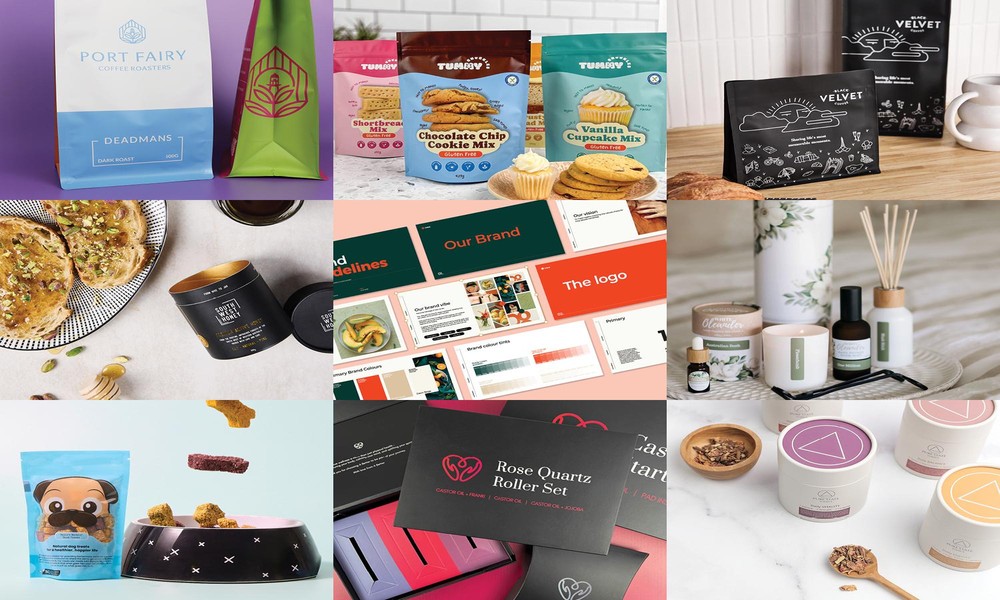

You already understand that packaging design affects how a product is seen, handled, and trusted. My role here is to help you think through packaging design with a clear head, based on how real packaging moves from idea to print. I spend time looking at where brands get stuck, what causes delays, and what separates packaging that works from packaging that looks fine on screen but fails in production.
Early in the process, I always suggest looking at custom packaging design through a practical lens. Design choices should support printing, materials, and real use, not fight against them. In this guide, I will walk you through how to think about product packaging design, how to avoid common mistakes, and why working with a team that understands production matters. You will leave with a clearer way to plan your packaging and stronger confidence in your decisions.
Why packaging design decisions matter more than most expect
Packaging is often treated as a surface task. Colors, logo placement, and layout get attention, while structure, materials, and print limits are ignored. That gap causes problems later.
When packaging design is done without production knowledge, brands often face:
- Artwork that does not fit the actual packaging shape
- Colors that shift during printing
- Finishes that cannot be produced on the chosen material
- Labels that wrinkle, fade, or misalign
- Redesign costs after delays
I have seen many of these issues surface after money and time are already spent. Good packaging design avoids these problems before they start.
How I recommend thinking about product packaging design
I always encourage starting with function before style. You need to know how the packaging will be filled, shipped, stored, opened, and displayed. Once that is clear, design choices become easier and more focused.
Key questions I suggest asking early include:
- What product weight and shape must the packaging support
- Where the packaging will be sold or stored
- How customers will interact with it
- What information must be clear at a glance
- Which finishes are realistic for the budget
Design works best when it grows out of these answers, not when it is forced onto them.
What custom packaging design services should actually provide
Custom packaging design services should do more than create artwork. They should guide decisions and reduce risk.
Strong services usually include:
- Design created with real print limits in mind
- Clear file setup for production and dielines
- Advice on materials and finishes that will work
- Label and packaging designs tested for fit and alignment
- Support when early concepts need refinement
This is where many brands benefit from working with The Packaging People. They design packaging with production as part of the process, not an afterthought. Their designers work closely with manufacturing teams, which helps ensure designs move smoothly from approval to print.
Why The Packaging People stand out for packaging design in Australia
When comparing design providers, I look at how closely design and production are connected. That connection reduces errors and shortens timelines.
The Packaging People are often chosen because they offer:
- Design built around real packaging formats they produce
- Clear guidance for businesses without in-house design teams
- Support for early ideas, brand refreshes, and full product ranges
- Packaging design priced below typical agency levels
- Direct access to production knowledge during design
They are positioned well for startups and established brands alike, especially for businesses that want packaging that looks polished and works in print without unnecessary cost or friction.
How their design process supports better outcomes
A structured process keeps packaging projects moving forward without confusion. I always advise avoiding design workflows that lack clear stages or approvals.
Their process typically includes:
- Collecting goals, ideas, and references
- Confirming scope and quoting clearly
- Developing design concepts aligned with production needs
- Managing revisions with clear boundaries
- Preparing print ready files for approval and production
This approach helps brands avoid last minute changes that create delays or extra cost.
Label design and print readiness done properly
Labels are one of the most common failure points in packaging. Design may look correct on screen but fail once applied.
The Packaging People handle label design with production knowledge, which means:
- Designs align with chosen label materials
- Files are prepared for specific print methods
- Finishes are planned to suit machinery and use
- Artwork is tested for clarity and alignment
This reduces the risk of labels that peel, smudge, or misprint.
Dielines and technical setup that protect your budget
Dielines and file setup are not creative tasks, but they are critical. Errors here lead to wasted stock and reprints.
Their team manages:
- Factory supplied dielines
- Correct artwork placement
- Layer control for finishes and mixed materials
- Approval ready files that match production needs
This technical precision protects your investment and keeps timelines predictable.
How to decide if custom packaging design is right for you
I suggest custom packaging design when:
- Your product needs a specific size or structure
- Off the shelf packaging limits branding impact
- You plan to scale or expand a product range
- You want consistency across multiple formats
Custom design is not about complexity. It is about fit, clarity, and long term use.
Final guidance before you start
My strongest advice is to treat packaging design as part of production, not decoration. When design decisions respect materials, print methods, and real use, the result is packaging that performs well and represents your brand clearly.
Working with a team like The Packaging People helps bridge the gap between idea and shelf. Their experience across design and production supports packaging that looks strong, functions properly, and avoids common mistakes that slow brands down.
If you approach packaging design with clarity and the right support, you protect your time, your budget, and your brand.
