
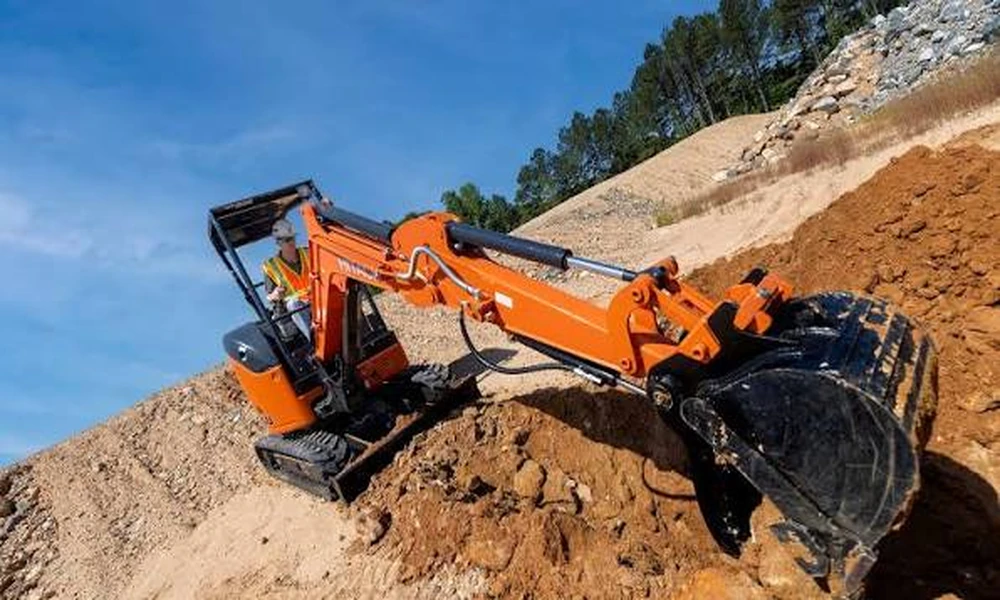

The waste and recycling industry is challenging in several different ways. Ensuring that recycling operations keep materials moving forward smoothly requires the use of a few different types of machines. Purpose-built material handlers are one of the best investments that can be made for a recycling company, assisting in the collection, sorting, processing, and recycling of a wide range of items.
What challenges do you face in recycling in terms of material handling?
There are a few common challenges for material handling that recycling operations face on a daily basis, including:
- Unsorted and mixed streams of materials – often, there is unpredictability for the waste that is coming into the facility. This can mean unsorted waste that can cause jamming issues on conveyor belts and waste contamination where food waste mixes with glass, plastic, and other types of waste.
- Space limitations – where there is limited space for machinery, the adoption of modern machinery isn’t always possible. Jamming machinery into old, tight spaces can lead to inefficiencies across the board and can be the cause of potential issues of safety on site.
- Contaminated and abrasive materials – harsh materials, such as broken glass or sharp metal pieces, can often be included with hazardous chemicals and other abrasive materials. This can cause damage to machinery, leading to costly downtime and repair issues.
- Maintenance and downtime costs – one of the costliest issues with recycling companies is that of downtime and the cost associated with repairs and ongoing maintenance. Where there is a need for heavy-duty, around-the-clock operations, any downtime can cause significant budgetary damage.
- Scalability issues – as the need to recycle greater volumes of waste has occurred due to awareness of sustainability and government-led Net Zero and waste management targets, there have been scalability and growth bottleneck issues to address.
What to consider when choosing material handlers
When choosing materials handlers for your recycling company, consider the following:
- Working and site conditions – start from the beginning, looking at the site in terms of size, space, height, and even the surfaces that the material handler will be operational on.
- Types of material – what is the main type of material that you’ll be recycling? Consider the shape, size, weight, and type of items you expect. There is a significant difference between sorting and processing loose materials into liquids.
- Safety features – how many people do you have working on site? Consider the safety features of material handlers that offer your operators the best chance to work functionally and to a high standard without compromising on safety.
- Attachment requirements – different recycling attachments help with different types of materials. Speak to your supplier to figure out the best types of attachment that would be most suitable for your circumstances.
Suppliers of material handlers for modern recycling operations
For those in charge of procurement and acquisition of machinery for recycling operations and projects, finding the best supplier of material handlers is vital for ongoing performance and standards. Suppliers that have a wealth of experience in the recycling industry and have an extensive fleet of material handlers at their disposal should be the first port of call. That way, whether you are renting or purchasing material handlers, you have trust in the source and peace of mind that the machinery will slot seamlessly into your operations for optimal performance and high safety standards.
