
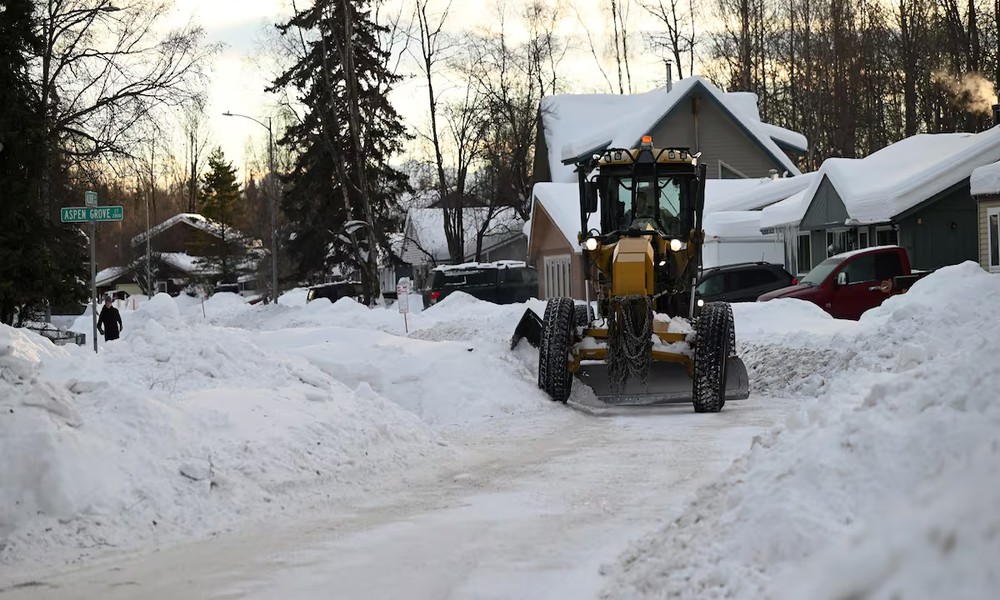

Winter mornings can look calm from inside the house. Then the front door opens and suddenly the driveway feels uneven, the walkway disappears near the edges, and vehicle tires start slipping before reaching the road. Snow changes outdoor movement faster than most people expect.
That is one reason many property owners arrange snow plowing anchorage services before the heavier part of the season begins. Waiting until conditions get worse usually creates extra cleanup work later.
And some storms create more trouble after they end than while they are happening.
Business Entrances Need Quicker Response During Active Storms
Commercial properties usually cannot wait too long before clearing begins. Customers still arrive, delivery vehicles continue moving, and entry areas need to stay visible throughout the day.
Winter Maintenance Often Focuses On
- Entrance accessibility
- Parking organization
- Vehicle turning areas
- Sidewalk visibility
- Loading zone movement
A smaller delay can affect multiple areas at once, especially during heavier accumulation periods.
And once snow piles start building near entrances, movement patterns become tighter than expected.
Snow Piles Can Block Visibility Around Tight Corners
One part that often gets ignored early in the season is snow placement. Removing accumulation is important, but where the snow gets pushed matters too.
Large piles near corners may reduce visibility for vehicles backing out or turning into narrow spaces. Parking areas sometimes lose usable room after repeated storms because snow stacking slowly spreads outward.
This becomes frustrating later during busy winter weeks.
Surface Area |
Common Winter Concern |
|---|---|
| Driveways | Packed tire paths |
| Parking spaces | Reduced movement room |
| Walkways | Slippery edges |
| Entry zones | Visibility issues |
| Shared lanes | Narrow access routes |
The problem builds gradually. Then one morning everything suddenly feels cramped.
Ongoing Winter Conditions Change Daily Maintenance Needs
Not every winter week needs the same level of maintenance. Some periods stay relatively stable for days, while others bring repeated accumulation almost nonstop.
This changes how crews approach outdoor surface management.
Common Seasonal Maintenance Adjustments
- Faster clearing during overnight storms
- Wider path opening after repeated snowfall
- Ice treatment after temperature drops
- Surface monitoring near shaded areas
- Additional cleanup around parked vehicles
And weather patterns rarely stay predictable for long. That part keeps winter maintenance from becoming routine.
Property Access Becomes Easier With Planned Clearing Cycles
Some people only request snow removal after major accumulation blocks access completely. Others prefer smaller scheduled clearing visits throughout the season because it helps prevent deeper buildup from forming.
Both approaches exist for different reasons.
Consistent Maintenance Often Helps Reduce
- Surface hardening
- Ice layering
- Vehicle sliding areas
- Narrow parking access
- Heavy relocation work later
There is also less stress during early morning movement when surfaces stay manageable more regularly.
The high mark services ak are trying to maintain smoother seasonal access instead of reacting only after conditions become severe.
Common Questions About Seasonal Snow Clearing
Why Does Packed Snow Become Slippery
Repeated pressure compresses snow into dense layers that freeze tightly against the ground surface.
Do Businesses Need More Frequent Winter Clearing
Usually yes. Commercial movement continues throughout the day, so access areas often require faster maintenance.
Can Snow Piles Create Parking Problems
Yes. Poor snow placement may reduce usable parking space and limit vehicle visibility near corners.
Why Are Side Walkways Important During Winter
Smaller paths often become icy faster because they receive less sunlight and less frequent movement.
Winter surface maintenance works best when conditions are managed steadily instead of waiting until access becomes difficult everywhere at once. Snow changes shape, texture, and movement constantly through the season, which is probably why no two winter weeks ever feel exactly the same.
